
- September 2, 2026
- admin
- 0
The Great Pyrenees:
9 Vital Facts About This Majestic Mountain Dog
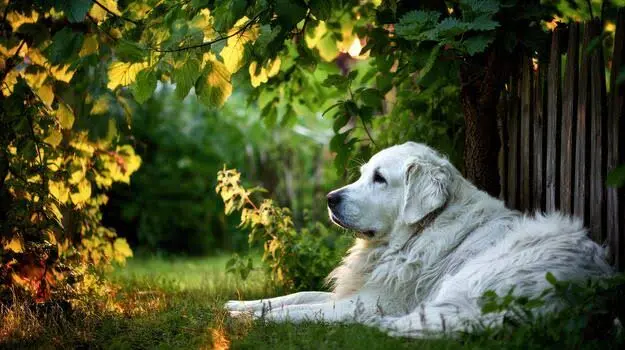
Few sights in the canine world match the quiet majesty of a Great Pyrenees. Resembling a cross between an ancient polar bear and an oversized sheepdog, this majestic guardian has captured hearts across the globe. Behind that cloud of white fur lies thousands of years of working heritage, unflinching loyalty, and an independent mindset that sets the breed apart from almost every other family companion.
Before bringing home a 100-plus-pound puppy or adopting an adult guardian, you need a realistic understanding of what day-to-day life entails. Here are nine vital facts you must know about this legendary mountain dog.
- They Are Ancient Working Guardians, Not Lapdogs
The Great Pyrenees is not an engineered modern designer dog. For millennia, these dogs worked alongside shepherds in the steep, punishing Pyrenees Mountains separating France and Spain.
Their original job was simple yet demanding: protect vulnerable flocks of sheep from apex predators like wolves, brown bears, and rustlers. Because mountain shepherds often left them alone on remote passes for days at a time, Pyrs learned to make life-or-death decisions without human direction. In the late 17th century, King Louis XIV officially declared them the Royal Dog of France, stationing them to guard châteaux and royal estates.
- A Massive, Powerful Build Built for Harsh Climates
A full-grown Great Pyrenees is a true giant. Knowing their physical dimensions helps you prepare your home, vehicle, and budget for the sheer scale of their gear and food requirements.
Characteristic | Male Standard | Female Standard |
Weight | 100 to 160+ lbs (45–73 kg) | 85 to 115+ lbs (38–52 kg) |
Height | 27 to 32 inches at the shoulder | 25 to 29 inches at the shoulder |
Coat Structure | Double coat: coarse outer guard hairs, dense woolly undercoat | Double coat: weather-resistant, insulating |
Average Lifespan | 10 to 12 years | 10 to 12 years |
Their heavy bone structure and broad chests give them the strength to push predators off mountainsides, yet when relaxed, their movement is surprisingly fluid and effortless.
- The “Pyr Paw” Is Real and Non-Negotiable
One of the breed’s most famous behavioral trademarks is their deliberate use of their front paws. Known fondly by owners as the Pyr Paw, it is their universal tool for communication.
When your Pyr wants affection, demands breakfast, or gently insists that you stop typing on your keyboard to rub behind their ears, they will raise a heavy, dinner-plate paw and place it firmly on your leg, arm, or chest. It is a sweet, endearing gesture, but when delivered by a 120-pound dog, it commands immediate attention.
- They Have Functional Double Dewclaws
Look closely at the rear legs of a purebred Great Pyrenees, and you will notice something unusual: two separate, bony extra toes on each hind leg. These are functional double dewclaws.
Unlike the vestigial front dewclaws seen on many breeds, rear double dewclaws are an ancient anatomical adaptation. They acted like snowshoes and crampons, giving the dog extra traction and surface area when navigating loose shale, steep mountain crags, and deep snowdrifts.
Grooming Note: Because rear dewclaws do not touch the ground, they will not wear down naturally. They must be inspected and trimmed every 3–4 weeks to prevent them from curling into the paw pads.
- Selective Hearing Is Part of Their DNA
If your ideal dog is a Golden Retriever or Border Collie that lives to fetch balls and hangs on your every word, a Great Pyrenees will test your patience.
They are remarkably intelligent, but they are not people-pleasers. Because they spent generations working independently without handlers, a Pyr evaluates commands through their own internal logic:
- The Pause: When you call them, they will usually look at you, assess whether coming to you makes sense at that exact moment, and take their time deciding.
- Positive Reinforcement Only: Harsh training tactics shut a Pyr down entirely. They respond best to mutual respect, high-value treats, and short, engaging sessions.
- Nighttime Barking Is Instinctive Perimeter Defense
Prospective owners often ask why their sweet, sleepy daytime dog suddenly perks up at 11:00 PM. The answer lies in their heritage.
On the mountainside, predators hunted under cover of darkness while shepherds slept. A Pyr’s deep, booming bark served as an acoustic boundary line, warning wolves and bears to stay away long before physical contact was necessary.
A delivery truck down the road, an owl in a nearby branch, or a shifting shadow can trigger an echoing string of warning barks. Early desensitization, sleeping indoors in a quiet room, and running white noise machines can help keep your household—and your neighbors—peaceful at night.
- Shaving Their Double Coat Is Harmful
A Great Pyrenees coat is a marvel of natural thermal engineering, but it requires specific care:
- Insulation Against Heat and Cold: The thick, woolly undercoat traps warm air in sub-zero winters, while the outer guard hairs deflect dirt, water, and direct ultraviolet rays. In summer, the coat traps cooler air close to the skin. Shaving removes this natural barrier, leaving the dog vulnerable to heatstroke and severe sunburn.
- The Coat Blow: Twice a year, Pyrs shed their entire undercoat over several weeks. Investing in a sturdy undercoat rake, a slicker brush, and a high-velocity dog dryer will save your furniture and clothes from being buried under layers of white fluff.
- They Are Born Wanderers (Fences Are Mandatory)
To a Great Pyrenees, an open boundary is simply an unpatrolled territory waiting to be claimed. In the Great Pyrenees rescue community, their habit of wandering off without looking back is known as the dispyr-ing act.
A Great Pyrenees will calmly slip through an open gate and walk 5 to 10 miles in a straight line, assessing perimeters. Because of this:
- Off-Leash Walking Is Risky: They should never be trusted off-leash in unfenced open spaces.
- Tall Physical Fencing: A secure 5- to 6-foot physical fence is a necessity. Invisible electric fences rarely deter a 130-pound livestock guardian locked onto a perceived threat or interesting scent trail.
- Gentle Giants with Family, Fierce Guardians When Tested
Underneath the working grit and perimeter vigilance sits an exceptionally tender family companion.
Great Pyrenees are famous for their patience with children, often moving with deliberate caution around toddlers. Inside the home, their energy level is remarkably low; they spend hours functioning as oversized, decorative floor rugs. However, if they perceive genuine danger to their home or human pack, that relaxed demeanor vanishes instantly, replaced by a brave, formidable defender capable of standing up to any threat.
Is the Great Pyrenees Right for Your Home?
The Great Pyrenees is not the right fit for everyone. If you need a spotless, hair-free living room, want a dog to walk off-leash through city parks, or require immediate obedience, this breed will be a mismatch.
However, if you have a securely fenced yard, value an independent thinker, and want a loyal, steady presence watching over your household with quiet dignity, there are few companions on Earth as rewarding as this ancient mountain giant.
Official breed standard or AKC Great Pyrenees profile