

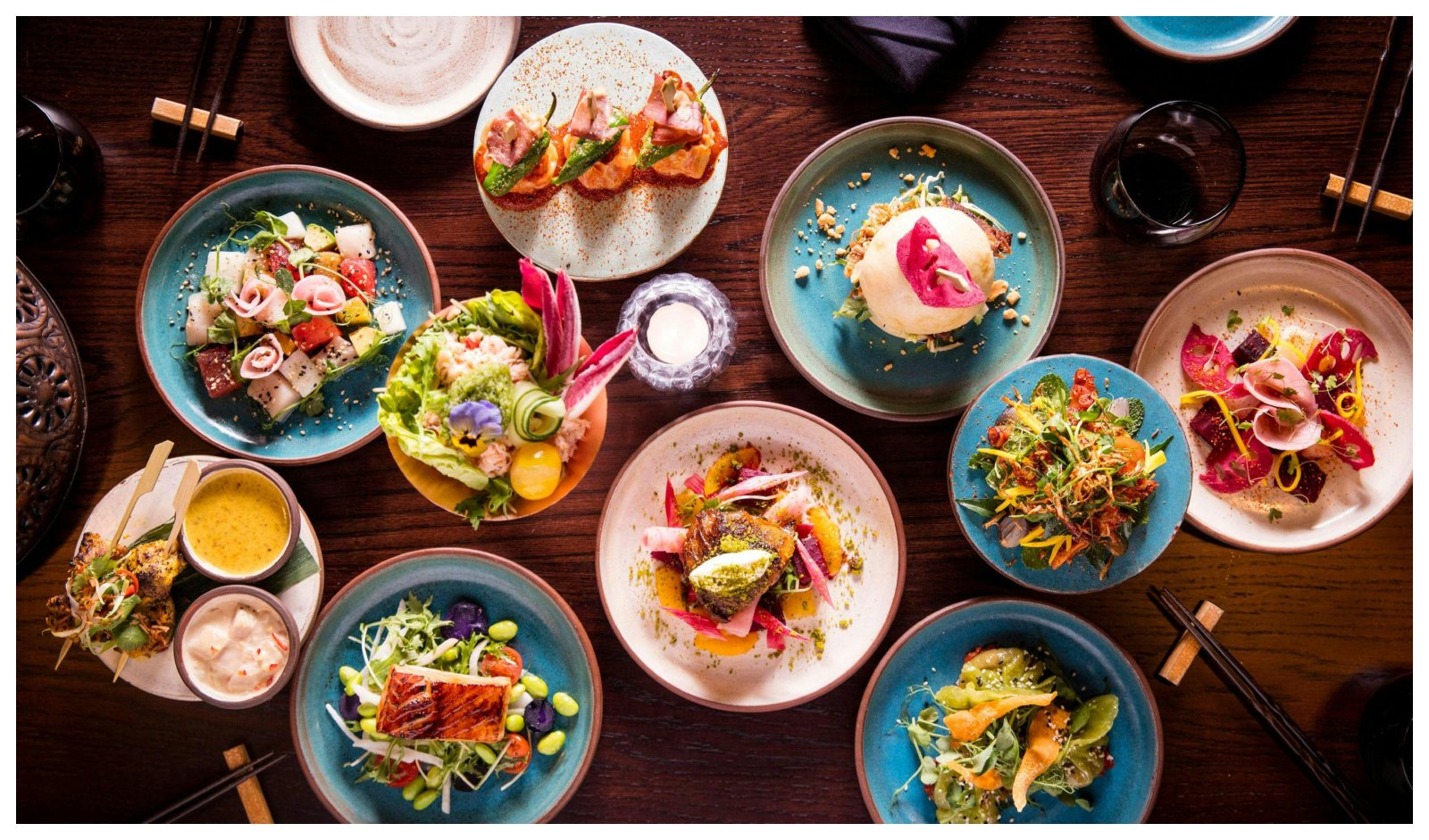
Forget the “authenticity” police. In the bustling, interconnected kitchens of 2025, a new, joyful culinary language is being spoken—one with an adventurous accent. It’s not about recreating a perfect, time-locked dish from a single region. It’s about what happens when a Korean *gochujang* flirtatiously winks at a Italian *nduja*. When a Japanese *umami* bomb detonates gently in a classic French sauce. When the humble dumpling becomes a passport, its filling a story of borderless creativity.
Welcome to the era of Global Flavor Mash-Ups. This isn’t the “fusion” of the 90s—often a clumsy, one-note combo. This is fusion 2.0: respectful, intelligent, and driven by a generation of cooks and eaters for whom the entire world’s pantry is just a scroll or a grocery delivery away. It’s a delicious reflection of our blended lives, and in 2025, it’s moving from trendy restaurant concepts to the heart of home cooking.
The Drivers of Delicious Chaos: Why Mash-Ups Are Everywhere
This movement isn’t accidental. It’s the product of a perfect cultural storm:
- The Digital Spice Route: Social media platforms like TikTok and Instagram have demolished culinary borders. A street vendor’s recipe in Mumbai can go viral in Minneapolis in hours. According to a 2024 Tastewise report, over 62% of Gen Z and Millennial consumers actively seek out “new global flavor experiences” when cooking or dining out. Their palate is educated by algorithms, and their curiosity is endless.
- The Immigrant Kitchen Legacy, Amplified: Fusion has always happened wherever cultures meet—it’s the story of food. What’s new is the mainstream celebration of it. Chefs who grew up bridging culinary worlds (like Angela Dimayuga, with her Filipino-American heritage, or Meeru Dhalwala of Vancouver’s Vij’s, blending Indian with local Pacific Northwest ingredients) are no longer niche. They are the vanguard, showing us that the most personal food is often the most creatively hybrid.
- The Thrill-Seeking Palate: After years of avocado toast, we crave surprise. The 2024 McCormick Flavor Forecast pins the trend on “Swiftful Discovery”—the desire for exciting, multi-layered tastes that tell a story. It’s not just heat; it’s the complex, fermented funk of *doubanjiang* (Chinese broad bean paste) or the floral-woody slap of *urfa biber* (Turkish chili pepper).
The 2025 Mash-Up Menu: What You’ll Be Tasting
So, what does this actually look like on the plate? Here’s your guide to the flavors, dishes, and ingredients that are defining the moment.
- The Dumpling Diaspora: The Ultimate Canvas
The dumpling—in all its global forms (gyoza, momo, pierogi, mandu, empanada)—has emerged as the perfect vessel for mash-up creativity. Its formula is simple: a wrapper + a filling. The magic is in the fillings we now dream up.
- You’ll See: *Kimchi Pierogi* (smoky, spicy, tangy kimchi tucked into a Polish potato dough). *Thai Green Curry Gyoza* (creamy, herbal curry inside a crisp Japanese wrapper). *Pastrami and Rye Mandu* (all the flavors of a NYC deli, steamed or pan-fried). The dumpling is no longer tied to a single tradition; it’s a delicious blank slate.
- The Sauce & Spice Blend Revolution
The deepest mash-ups happen at the condiment level. Why use one culture’s flavor profile when you can layer two?
- The New Pantry Heroes: Look for Gochujang-Miso Paste (Korean funk meets Japanese depth, perfect for glazes or marinades). Harissa-Tahini Swirl (North African heat cooled by Levantine sesame cream, for bowls and dipping). Maple-Sriracha Aioli (Canadian sweetness, Thai-Vietnamese heat, and French richness, for everything from fries to burgers).
- Spice Blends with a Passport: “Everything But The Elote” seasoning (taking the Mexican street corn vibe global with chili, lime, cheese, and seaweed). *Berbere* (Ethiopian) blended with *Ras el Hanout* (North African) for a deeply complex, floral-spicy rub for roasted vegetables or proteins.
- The Breakfast Globe-Trot
The most important meal of the day is getting a full culinary passport stamp.
- You’ll See: Congee Meets Shakshuka: Silky Chinese rice porridge topped with softly poached eggs in a spiced North African tomato and pepper stew. Masala Chai French Toast: Classic French toast soaked in a custard infused with warming masala chai spices, served with a cardamom whipped cream. Breakfast Bao: Fluffy steamed buns filled with scrambled eggs, crispy Spam or sausage, and a swipe of *sambal mayo*.
- The “Third Culture” Sweet Treat
Dessert is the final frontier for fearless flavor combining.
- You’ll See: Mochi Donuts (the chewy, glutinous texture of Japanese mochi meets the shape and glaze of an American donut—already a massive hit). Black Sesame Halva Brownies (dense, fudgy brownies swirled with tahini and topped with crumbled, nutty Middle Eastern halva). Mango Sticky Rice Tiramisu (layers of Thai sweet coconut rice and fresh mango replacing ladyfingers, soaked in a Thai iced tea-esque syrup).
The Rules of the Mash-Up (Spoiler: There’s Only One)
The brilliance of this new wave is its intuitive philosophy. The one unbreakable rule? Make it delicious, not just clever.
The best mash-ups follow a few guiding principles:
- Balance, Not Just Clash: It’s about harmony. The bright acidity of *yuzu* can cut through the richness of duck confit. The earthy sweetness of *hoisin* can complement smoky barbecued meats. It’s a conversation, not a shouting match.
- Respect the Ingredients: This isn’t about being disrespectful. It’s about understanding the *role* an ingredient plays in its home cuisine—umami, heat, acidity, freshness—and finding a new context where it can shine similarly.
- Embrace the “Why Not?”: The home cook’s superpower. Have leftover taco fillings and some spring roll wrappers? Make *Mexican-inspired spring rolls*. Have curry paste and pizza dough? Create a *Thai Curry Pizza*. The kitchen is your lab.
How to Become a Mash-Up Home Cook: Your Starter Kit
Feeling inspired? Here’s how to dive in without fear:
- Start with a “Bridge” Ingredient: Pick one familiar ingredient you love and one new-to-you global powerhouse. The bridge is something that connects them. Example: You love cheese (familiar). You buy gochujang (new). The bridge: honey. Make a gochujang-honey glaze, drizzle over baked brie. Instant, brilliant mash-up.
- Remix Your Weekly Staples: Take your Tuesday night pasta. Instead of a classic marinara, sauté garlic and ginger, add a spoonful of *doubanjiang* and a splash of soy sauce, then toss with your pasta, a bit of pasta water, and finish with cilantro. You’ve just created Sichuan-Inspired “Red Sauce” Pasta.
- Host a “Mash-Up” Potluck: Challenge friends to bring a dish that combines two culinary traditions. It’s a fun, low-pressure way to taste a world of creativity.
The Bigger Picture: A More Connected Table
This trend is about more than just tasty food. In a world that can feel divided, the shared, universal language of a great meal is a powerful connector. These mash-ups are edible evidence of cultural exchange, curiosity, and ultimately, integration. They represent a future where our identities on a plate are as fluid and multifaceted as they are in life.
So, in 2025, when you bite into a *“General Tso’s Cauliflower Tacos with Kimchi Slaw”* or spread some *“Miso-Butter”* on your cornbread, don’t just taste the flavors. Taste the conversation. Taste the fearless, border less, and optimistic future of food—one delicious, surprising mash-up at a time. The world is on your plate. Dig in.

