In the modern wellness landscape, “Yoga” has become a catch-all term for everything from high-intensity interval training on a mat to silent meditation retreats. However, if you have ever stepped into a studio and moved through a sequence of physical postures, you were likely practicing a form of Hatha Yoga.
Often referred to as the “Foundation of Physical Balance,” Hatha is the grandmother of modern postural yoga. It is the root system from which Vinyasa, Power, Yin, and Iyengar yoga have branched. But Hatha is far more than a stretching routine; it is a sophisticated system of biological and energetic engineering designed to harmonize the human experience.

The Etymology: Balancing the Sun and Moon
To understand why Hatha is the foundation of balance, one must look at the Sanskrit origins of the word.
- “Ha” translates to Sun, representing our active, masculine, heating, and solar energy.
- “Tha” translates to Moon, representing our receptive, feminine, cooling, and lunar energy.
In the philosophy of Hatha, the human body is a microcosm of the universe. We are constantly oscillating between these two poles: the urge to do (Sun) and the need to be (Moon). When these energies are out of alignment, we experience disease, stress, and mental turbulence. Hatha Yoga is the “joining” or “yoking” of these two forces to create a state of Sama, or equanimity.
The Physical Pillar: Alignment and Asana
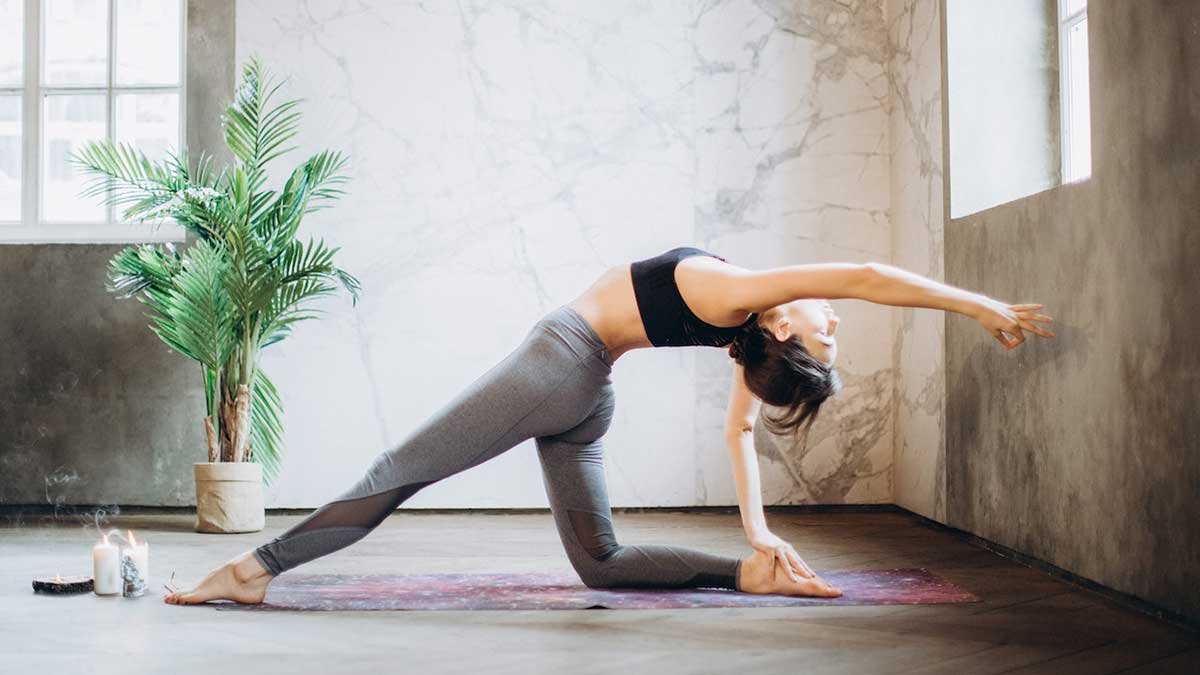
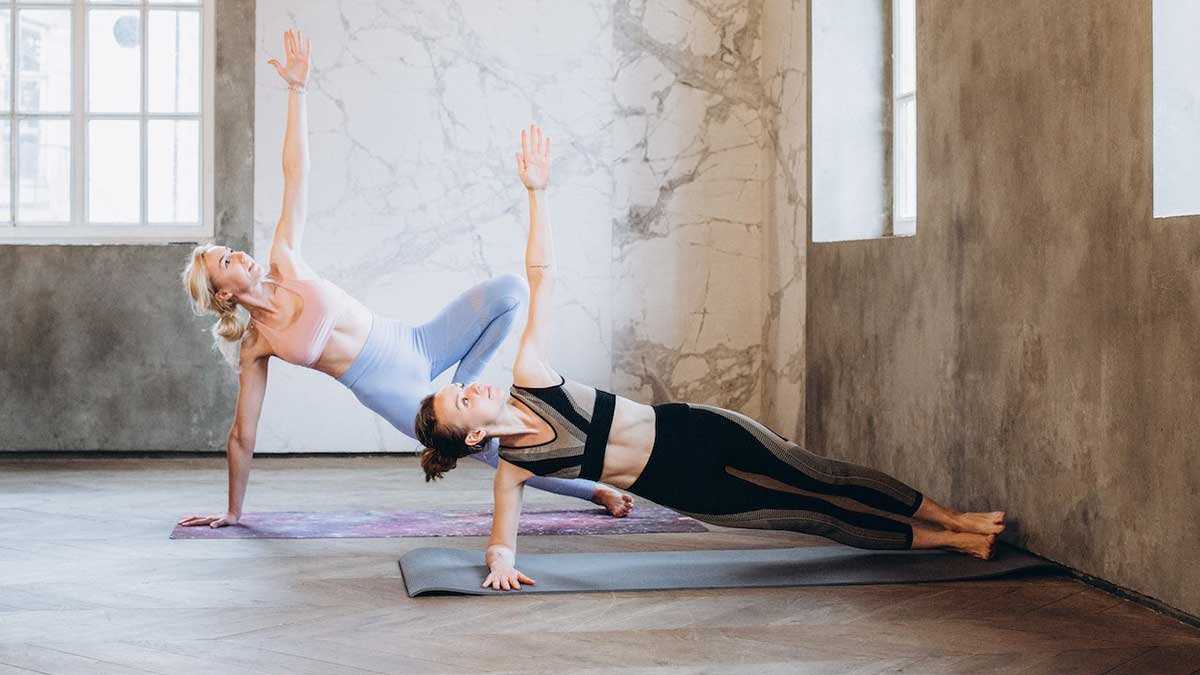
At the core of Hatha Yoga are the Asanas—the physical postures. Unlike Vinyasa, which focuses on the “flow” or the transition between movements, Hatha typically focuses on the stillness within the pose. By holding a posture for an extended period, the practitioner engages in a deep dialogue with their anatomy.
- Structural Integrity and Joint Health
In a Hatha class, you will often hear teachers speak extensively about alignment. This isn’t just about aesthetics; it’s about physics. Proper alignment ensures that the weight of the body is distributed through the skeletal system rather than putting undue stress on the ligaments and tendons.
For example, in Tadasana (Mountain Pose), the simple act of standing is deconstructed. Practitioners learn to engage the four corners of the feet, lift the kneecaps, tuck the tailbone slightly, and broaden the collarbones. This foundational work corrects postural imbalances caused by our sedentary “desk-bound” culture.
- The Spine: The Axis of Life
Hatha Yoga views the spine as the “Sushumna Nadi,” the primary channel for life force energy. Almost every Hatha sequence is designed to move the spine in its six natural directions:
- Flexion (Forward folds like Uttanasana)
- Extension (Backbends like Bhujangasana / Cobra)
- Lateral Flexion (Side stretches)
- Rotation (Twists)
By maintaining the health and suppleness of the spine, Hatha Yoga ensures that the central nervous system can communicate effectively with the rest of the body.
The Biological Impact: The Nervous System Reset
While the physical stretches feel good, the true “magic” of Hatha Yoga happens beneath the skin, specifically within the Autonomic Nervous System (ANS).
Most modern humans live in a state of chronic “Sympathetic” dominance—the fight-or-flight response. This results in elevated cortisol, high blood pressure, and impaired digestion. Hatha Yoga acts as a manual override for this system.
The Vagus Nerve and the Parasympathetic Response
The slow, deliberate nature of Hatha—coupled with deep, conscious breathing—stimulates the Vagus Nerve. This nerve is the main component of the Parasympathetic Nervous System (the “rest and digest” mode).
When you hold a challenging pose like Warrior II and remain calm through the discomfort, you are training your brain to stay “cool” under pressure. You are teaching your body that it can be physically active without being mentally stressed. This is the definition of physical balance: the ability to exert effort while maintaining internal ease.
The Energetic Body: Prana and the Nadis
Beyond muscles and nerves, Hatha Yoga works with the “Subtle Body.” According to ancient texts like the Hatha Yoga Pradipika, the body contains 72,000 Nadis (energy channels). When these channels are blocked by physical tension or emotional stress, we feel sluggish or ill.
Shatkarma: The Purifying Acts
In traditional Hatha, the physical poses are preceded or accompanied by Shatkarmas (cleansing techniques). These include practices like Neti (nasal rinsing) or Trataka (candle gazing). The goal is to purify the physical “vessel” so that Prana (life force) can flow without obstruction.
When Prana flows freely, the practitioner experiences a sense of lightness and clarity. This is often described as the “Yoga Glow”—a visible manifestation of internal energetic balance.
Mental Equilibrium: Stillness as a Tool
Hatha Yoga is often called “Meditation in Motion.” Because the poses are held longer, the mind has nowhere to hide. In a fast-paced “Power” class, you can distract yourself with the rhythm of the music or the sweat of the transition. In Hatha, you are forced to sit with your thoughts while your hamstrings scream for mercy.
This builds Tapas (discipline or internal heat). It teaches the practitioner to become an observer of their own mind. You learn to distinguish between the “voice of the ego” (which wants to push further to look good) and the “voice of the body” (which knows when it has reached its limit). This discernment is the foundation of mental balance.
The Core Components of a Hatha Practice
A well-rounded Hatha practice is a journey through several layers of the self. While every teacher is different, the “Foundation” usually consists of:
| Component | Purpose | Effect |
| Pranayama | Breath Control | Calms the mind and oxygenates the blood. |
| Surya Namaskar | Sun Salutations | Warms the body and builds cardiovascular health. |
| Standing Poses | Strength & Grounding | Builds bone density and confidence. |
| Inversions | Turning Upside Down | Increases circulation and changes perspective. |
| Savasana | Corpse Pose | Integrates the benefits and allows for deep rest. |
Why Hatha is Essential in a Modern Routine
In an era of “more, faster, harder,” Hatha Yoga is a radical act of slowing down. It is essential for several reasons:
- Injury Prevention: By focusing on alignment, Hatha teaches you how to move safely in other sports, whether you are a runner, a weightlifter, or a cyclist.
- Longevity: Hatha isn’t about “crushing” a workout; it’s about sustaining the body. It is a practice you can do at age 8 or age 88.
- Emotional Regulation: The balance achieved on the mat eventually “leaks” into real life. You become less reactive to traffic, work stress, and personal conflicts.
Conclusion: Finding Your Center
Hatha Yoga is the foundation of physical balance because it treats the human being as a whole. It recognizes that you cannot have a calm mind in a neglected body, nor can you have a healthy body without a regulated nervous system.
By practicing Hatha, you are not just “stretching.” You are re-aligning your skeletal system, re-wiring your brain, and re-balancing the solar and lunar energies that govern your life. It is the practice of coming home to yourself—finding that still, quiet point in the center of a chaotic world.