- August 17, 2026
- admin
- 0
GLP-1 drugs like Ozempic, Wegovy, and Mounjaro have completely changed the conversation around weight loss. By copying the natural signals our body uses to say “I’m full” and slowing down digestion, they finally quiet that constant, exhausting background hum of food cravings. For many, the weight comes off faster than ever before.
Here’s the catch: your body doesn’t just burn through stubborn fat when the pounds drop quickly. Without the right diet and exercise, a big chunk of what you lose can actually be lean muscle.
Holding onto that muscle isn’t just about looking fit in the mirror. Muscle is what keeps your metabolism firing, balances your blood sugar, supports your bones, and keeps you moving easily through daily life. When your appetite takes a backseat, you simply have fewer opportunities to eat—which means every single bite you take needs to truly nourish your body.
Why Sarcopenia Is the Hidden Risk of GLP-1 Weight Loss
Skeletal muscle serves as the primary engine for metabolic health. It acts as a major glucose sink and burns calories even at rest. When daily caloric intake drops dramatically due to slowed digestion, the body enters a catabolic state. If sufficient amino acids and resistance stimuli are missing, the body breaks down muscle protein to compensate for cellular energy demands.
Accelerated muscle loss—known clinically as sarcopenia—leads to several metabolic complications:
- Metabolic Slowdown: A decrease in lean muscle drops resting energy expenditure, making weight regain more likely if medication is discontinued.
- Nutritional Deficiencies: Severely reduced meal portions often result in inadequate intake of micro-nutrients such as vitamin B12, vitamin D, magnesium, and essential electrolytes.
- Fatigue and Reduced Functional Strength: Loss of muscle tissue impairs physical endurance, posture, and joint stability.
The High-Protein Blueprint for GLP-1 Users
When total food intake is restricted, protein density must increase. Meeting daily protein requirements is the single most effective dietary strategy to trigger muscle protein synthesis (MPS) and protect lean tissue.
- Calculate Your Target Intake
Aim for 1.2 to 1.6 grams of protein per kilogram of body weight daily (or approximately 0.6 to 0.8 grams per pound). For an individual weighing 170 lbs (77 kg), this translates to an intake of roughly 95 to 125 grams of high-quality protein per day.
Distribute Protein Across Smaller Feedings
Because GLP-1 medications reduce stomach capacity and slow gastric emptying, consuming large portions in one sitting can cause severe nausea or acid reflux. Distribute protein evenly across 3 to 4 smaller meals or snacks, targeting 25 to 35 grams of protein per feeding.
Prioritize Bioavailable, Nutrient-Dense Sources
- Lean Animal Proteins: Skinless poultry, white fish, wild salmon, extra-lean ground turkey, and whole eggs.
- Concentrated Dairy: Plain Greek yogurt, low-fat cottage cheese, and ultra-filtered high-protein milk.
- Plant-Based Combinations: Tempeh, edamame, tofu, lentils, and hemp hearts (combine varied sources to ensure a complete essential amino acid profile).
- Liquid Supplementation: High-grade whey isolate or complete plant protein powders are practical when solid food volume feels unmanageable due to suppressed hunger cues.
Preventing Common Nutritional Gaps
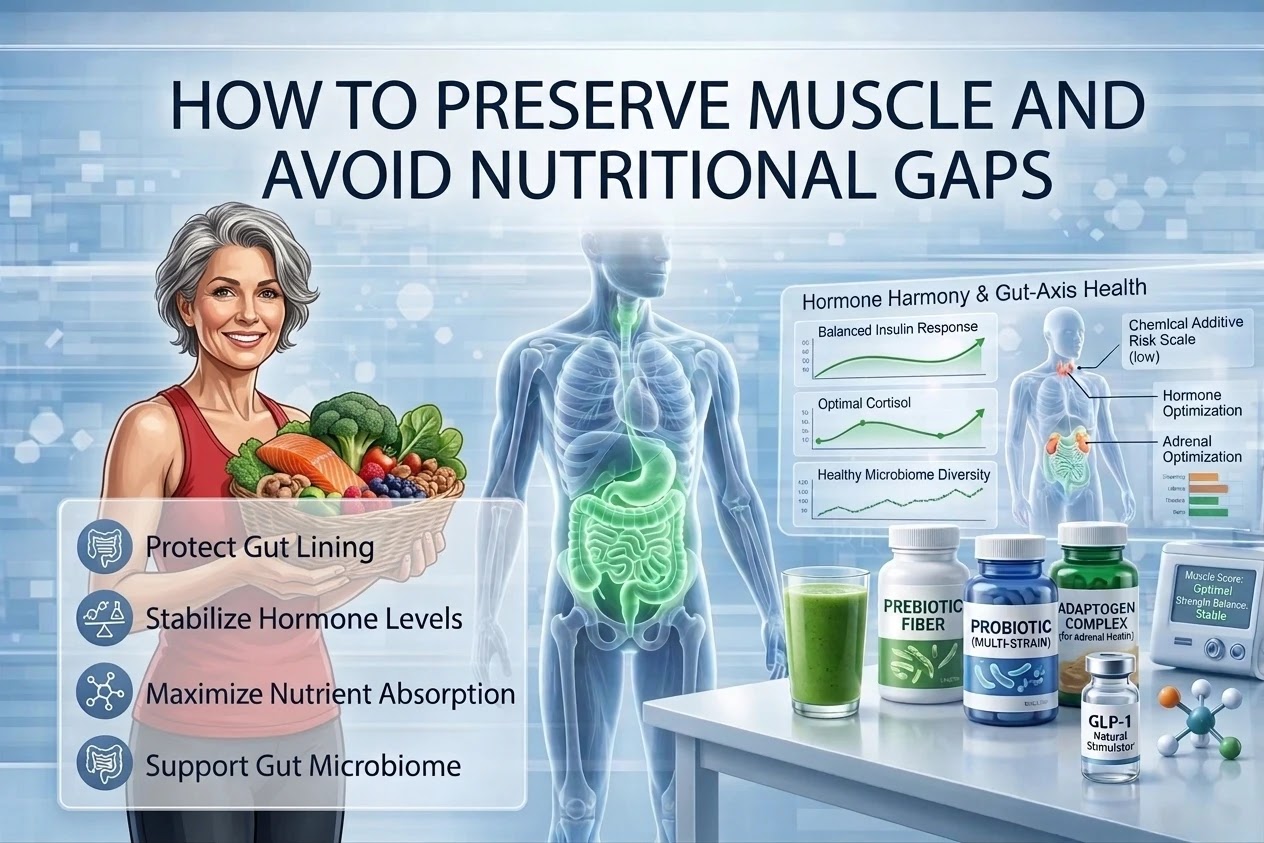
A reduced appetite often leads to unintended micro-nutrient deficiencies and gastrointestinal discomfort. Address these specific areas to maintain vitality:
Nutrient / Factor | Why It Matters on GLP-1s | Best Dietary Sources |
Fiber (25–30g/day) | Prevents medication-induced constipation while supporting gut microbiome diversity. | Chia seeds, raspberries, steamed leafy greens, oats, and ground flaxseed. |
Electrolytes & Hydration | Rapid weight loss and reduced fluid intake increase dehydration and dizziness risks. | 2–3 liters of water daily, bone broth, coconut water, and unflavored electrolyte packets. |
Vitamin B12 & Folate | Essential for red blood cell production, cellular repair, and neurological energy levels. | Lean poultry, eggs, nutritional yeast, and fortified plant milks. |
Calcium & Vitamin D3 | Protects bone mineral density alongside lean tissue preservation. | Dark leafy greens, fortified kefir, canned sardines with bones, and safe sunlight exposure. |
The Non-Negotiable Companion: Progressive Resistance Training
Dietary protein provides the necessary raw materials, but physical resistance provides the biological signal to keep muscle tissue intact.
Cardiovascular exercise supports heart health, but excessive endurance training without strength work can accelerate lean tissue breakdown during large caloric deficits.
- Frequency: Engage in structured resistance training 2 to 3 sessions per week on non-consecutive days.
- Focus on Compound Movements: Prioritize functional multi-joint exercises—such as goblet squats, Romanian deadlifts, chest presses, and lat pull downs—that recruit large muscle groups.
- Apply Progressive Overload: Gradually increase the resistance, reps, or mechanical tension over time to stimulate muscle adaptation continually.
Managing Gastrointestinal Side Effects
Nutrient absorption depends heavily on digestive comfort. Because GLP-1 medications slow gastric motility, dietary composition dictates tolerance:
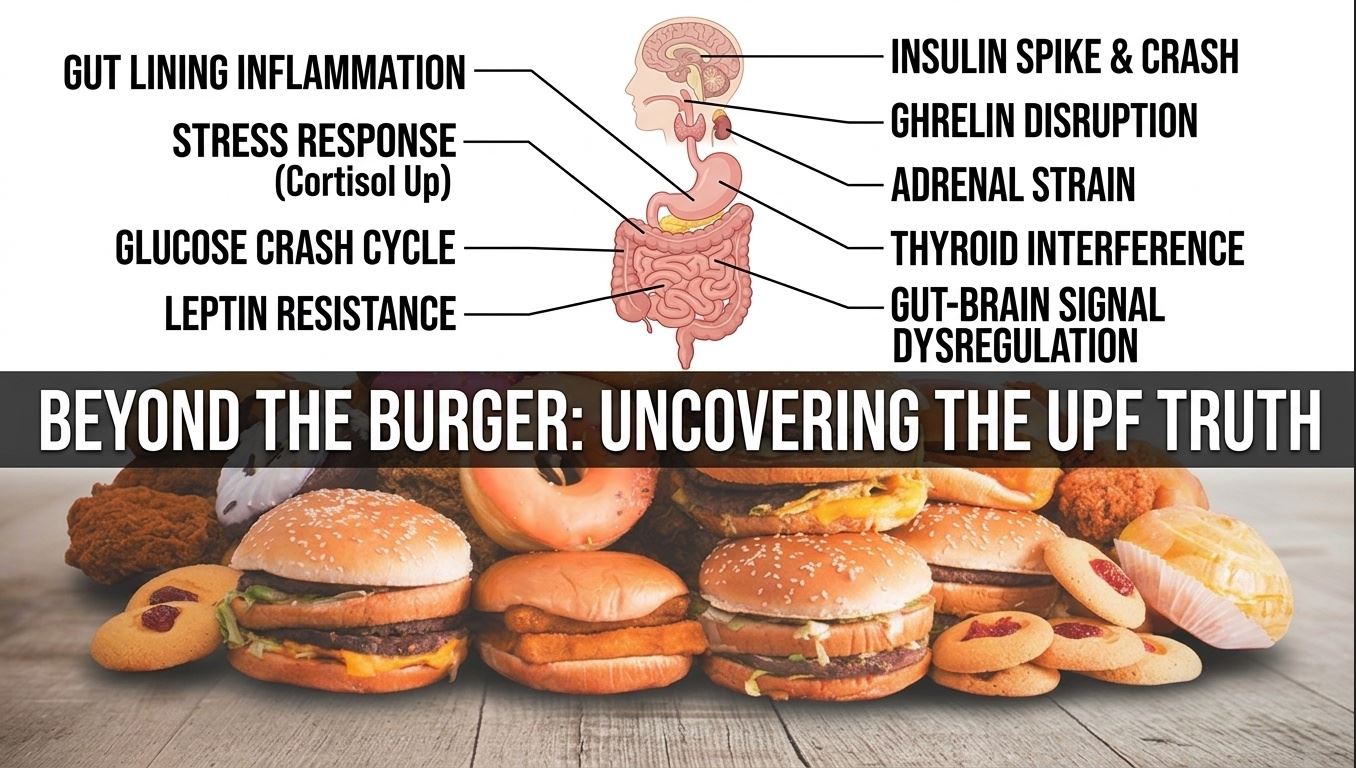
- Minimize Ultra-Processed, High-Fat Meals: Greasy, deep-fried foods take significantly longer to clear the stomach, often triggering acute nausea, bloating, and reflux.
- Eat Slowly and Stop Early: Pay close attention to subtle fullness cues. Continuing to eat past early satiety can lead to severe discomfort.
- Avoid Carbonated Beverages: Fizzy sodas and sparkling waters can introduce excess air into an already slow-moving GI tract, compounding feelings of bloating.
Final Thoughts: Building a Sustainable Metabolic Future
Weight loss achieved through GLP-1 therapy should enhance your long-term health, not compromise your physical strength. By pairing medication with a deliberate, high-protein nutrition plan, essential micro-nutrient coverage, and regular resistance training, you can protect your metabolic machinery, maintain vibrant energy levels, and sustain your results for years to come.