- August 17, 2026
- admin
- 0
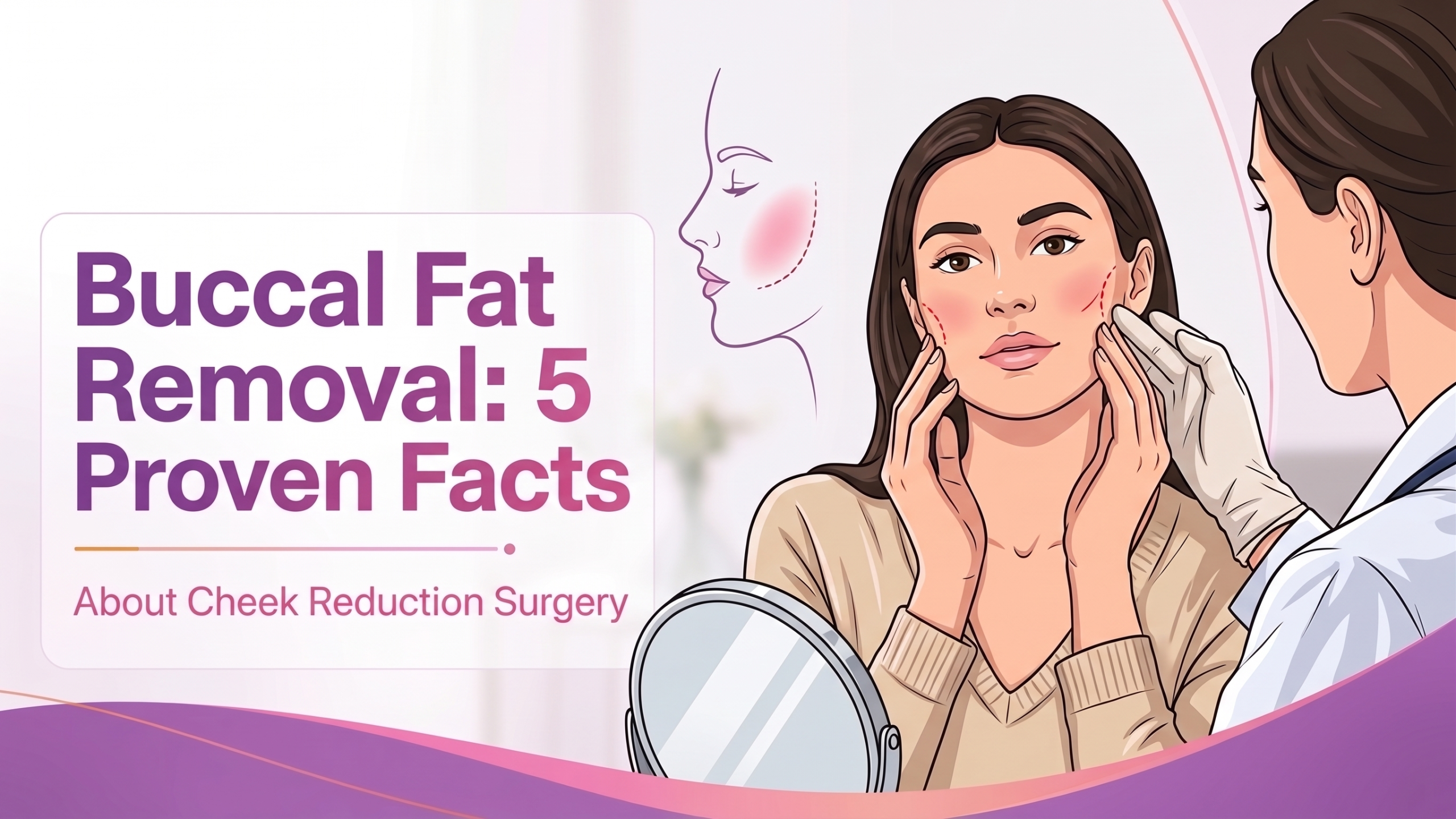
Buccal Fat Removal:
5 Proven Facts About Cheek Reduction Surgery
Achieving a sculpted facial contour with defined cheekbones has become one of the most sought-after aesthetic goals today. While makeup contouring, diet, and regular fitness routines can tone your body, facial genetics often dictate where stubborn fat remains. For individuals with naturally round cheeks, buccal fat removal has emerged as a popular cosmetic procedure designed to create a more chiseled, slender facial profile.
If you are researching cheek reduction options to refine your jawline, understanding the reality behind buccal fat removal is essential before booking a consultation.
What Is Buccal Fat Removal?
Buccal fat removal, also medically known as a submental cheek reduction or buccal lipectomy, is a surgical procedure aimed at reducing the volume of the lower cheeks. The buccal fat pad is a naturally occurring mass of specialized adipose tissue located deep within the lower cheek, between the facial muscles.
Unlike standard subcutaneous fat, the size of your buccal fat pads is primarily determined by genetics rather than diet or body weight. This is why individuals at a healthy weight may still have prominent “baby cheeks.” Undergoing buccal fat removal selectively removes or reduces these deep fat pockets to accentuate natural cheekbone structure and create subtle facial hollows.
Who Is an Ideal Candidate for Buccal Fat Removal?
Not everyone is a suitable candidate for buccal fat removal. Facial anatomy plays a critical role in determining whether this procedure will enhance your appearance or create an overly hollowed look down the road:
Best Candidates | Poor Candidates |
Naturally round, full, or “chipmunk” cheeks | Naturally narrow or thin face shapes |
Individuals at a stable, healthy body weight | Older individuals with noticeable skin laxity |
Good skin elasticity and strong bone structure | Those with premature loss of facial volume |
Realistic expectations about subtle contouring | Patients seeking dramatic full-face slimming |
Consulting with a board-certified plastic surgeon is vital to determine if buccal fat removal aligns with your long-term facial aging patterns.
How the Procedure Works: Step-by-Step
One of the main reasons for the popularity of buccal fat removal is its relatively quick and minimally invasive surgical nature:
- Anesthesia: The procedure is typically performed under local anesthesia with light sedation, though general anesthesia may be used if combined with other treatments.
- The Incision: The surgeon makes a small incision (about 1 to 2 centimeters) inside the mouth, on the inner lining of the cheek. Because the cut is entirely internal, buccal fat removal leaves no visible external scars on the face.
- Fat Extraction: The surgeon applies gentle external pressure to the cheek, exposes the buccal fat pad through the incision, and carefully dissects and removes the appropriate amount of fat.
- Closure: The internal incisions are closed using dissolvable sutures that vanish naturally within a couple of weeks.
The entire buccal fat removal operation generally takes between 30 and 60 minutes to complete.
Recovery and Aftercare: What to Expect
Recovery from buccal fat removal is generally manageable, but following aftercare instructions ensures optimal healing and results:
- Initial Swelling & Bruising: Swelling peaks within the first 48 to 72 hours. Your cheeks may temporarily look rounder before the slimming effect becomes visible.
- Dietary Restrictions: A liquid or soft-food diet is recommended for the first few days to protect the internal stitches and prevent irritation.
- Oral Hygiene: Using antibacterial mouthwash after every meal is necessary to keep internal incision sites clean and prevent infection.
- Timeline to Results: While initial healing occurs within 1 to 2 weeks, final results from buccal fat removal emerge gradually over 3 to 6 months as residual swelling completely subsides and tissues settle.
Potential Benefits and Long-Term Considerations
Before deciding on buccal fat removal, it is important to weigh the aesthetic benefits alongside the aging process:
- Permanent Results: Once removed, buccal fat cells do not regenerate. The contouring effect produced by buccal fat removal is permanent.
- Enhanced Facial Definition: Highlights cheekbones and creates a more defined jawline taper.
- No Visible Scarring: All surgical entry points remain hidden inside the mouth.
- Aging Considerations: Facial fat naturally diminishes as we age. Removing too much volume during buccal fat removal early in life can occasionally lead to a gaunt appearance in older age, highlighting the importance of conservative fat excision.
Risks and Complications to Discuss With Your Surgeon
While buccal fat removal has a high safety profile when performed by an experienced specialist, all surgical procedures carry potential risks:
- Infection at internal incision sites
- Temporary or prolonged facial numbness
- Facial asymmetry if uneven volume is removed
- Injury to facial nerve branches or salivary ducts
- Excessive hollow appearance due to over-resection
Choosing a surgeon with deep knowledge of facial anatomy is the best way to ensure natural, balanced outcomes.
Is This Right for You?
If you are frustrated by persistent fullness in your lower cheeks that does not change with a healthy lifestyle, this offers a permanent way to sculpt your facial structure. Schedule a detailed consultation with a certified facial plastic surgeon to assess your unique bone structure and decide whether this will deliver the refined aesthetic you desire.