- August 25, 2026
- admin
- 0
How to Relax:
6 Powerful Ways to Effortlessly Calm Your Mind
We live in a culture that treats busyness like a badge of honor. Between back-to-back work meetings, household chores, endless notifications, and the ambient pressure to optimize our lives, downtime has become something we feel we need to earn. When stress builds up, learning how to relax becomes essential for your long-term health and well-being.
Even when you finally collapse onto the couch at the end of a long day, figuring out how to relax remains elusive. You find yourself scrolling through social feeds with tight shoulders, a clenched jaw, and an active mental checklist of tomorrow’s obligations. You want to rest, but you simply do not know how to calm your mind after hours of high cognitive load.
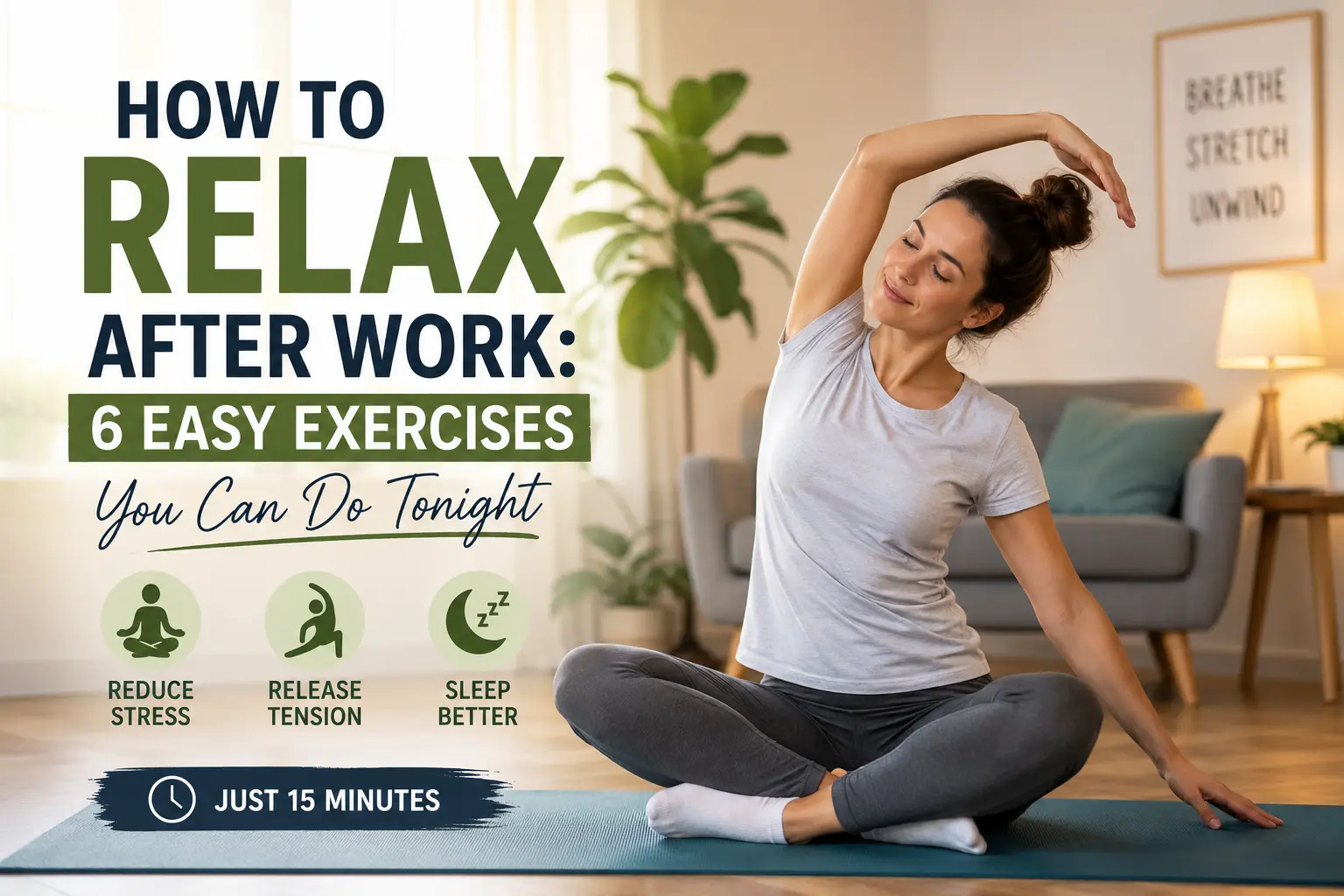
Mastering how to relax is not about zoning out or doing nothing; it is an active skill of downshifting your nervous system from “fight-or-flight” into “rest-and-digest.” If you want to understand how to relax, here is a practical, science-backed guide to help you unwind and reclaim your peace tonight.
Why Is It Hard to Learn How to Relax?
If discovering how to relax feels difficult or even makes you anxious, you are not alone. When you spend weeks or months operating in chronic stress, your body pumps out elevated levels of cortisol and adrenaline. Your nervous system adapts to this baseline, mistaking constant vigilance for safety.
When you suddenly stop moving, your brain interprets the quiet as unfamiliar territory. It starts hunting for problems to solve, creating racing thoughts and restless energy. That is why so many people struggle with figuring out downtime after a hectic workday.
To truly understand how to calm your physical state, you have to signal to your nervous system that you are completely safe. Once the physical tension releases, mental peace naturally follows, making it easy to discover how to relax on demand.
- Fast Physical Resets: How to Relax Fast
When your mind is racing, knowing how to relax starts with physiological levers that directly activate your parasympathetic nervous system:
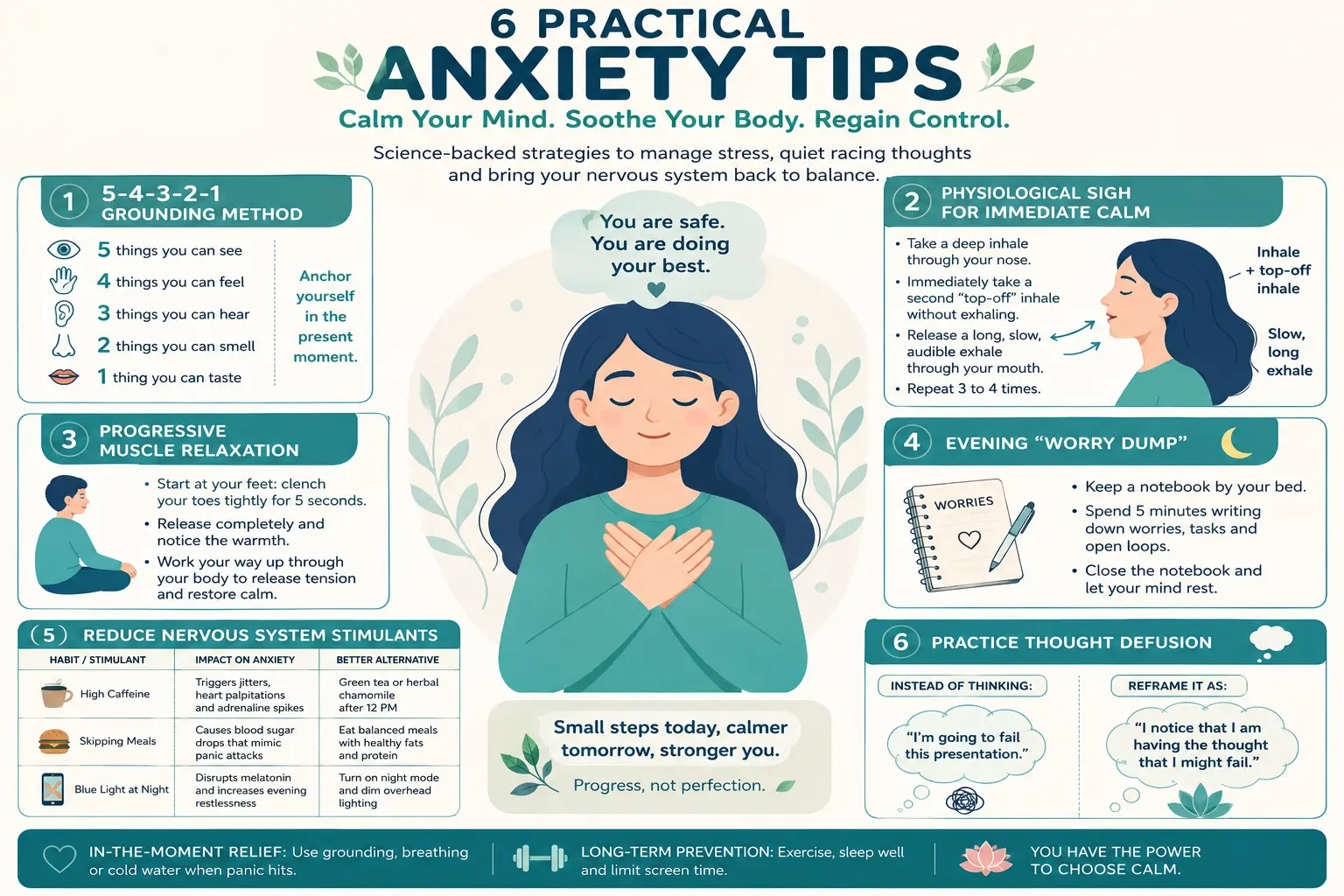
- The Physiological Sigh: Developed and studied by neuroscientists, this breath pattern shows you how to relax and reduce autonomic arousal in real time. Take two quick inhales through your nose (one deep breath followed immediately by a sharp top-off inhale), then release a long, slow exhale through your mouth. Repeat this three to four times to experience rapid relief within seconds.
- Progressive Muscle Relaxation (PMR): We often hold unconscious tension in our face, neck, and shoulders. This exercise teaches you the physical contrast between tension and ease. Start at your toes: squeeze them tightly for five seconds, then release completely. Work your way up through your calves, thighs, stomach, hands, shoulders, and facial muscles. It is one of the most reliable methods for restoring muscular ease quickly.
- The Temperature Shift: Splashing cold water on your face or holding an ice cube stimulates the vagus nerve via the mammalian dive reflex, providing a fast physical lesson on how to relax an elevated heart rate.
- Active vs. Passive Rest
Not all downtime is created equal. Understanding the difference between passive and active rest is essential when exploring post-work recovery:
Type of Rest | Common Examples | Impact on Nervous System |
Passive Rest | Mindless doomscrolling, binge-watching intense dramas, browsing online sales | Keeps the brain stimulated with dopamine spikes and blue light; offers distraction without true restoration. |
Active Rest | Gentle walking, stretching, journaling, gardening, listening to ambient music | Lowers heart rate, encourages mindful presence, and actively teaches the body how to relax. |
Distraction numbs stress temporarily, but restorative relaxation discharges it. If your go-to way to unwind leaves you feeling groggy, irritable, or drained, swap 30 minutes of screen time for a restorative habit to help your mind and body reset together.
- Environmental Cues: How to Relax at Home
Your physical surroundings constantly communicate with your nervous system. You can engineer your environment to show your body how to relax automatically:
- Drop the Lighting: Bright overhead lighting mimics midday sunlight, signaling to your brain that it is time to work. In the evening, switch off harsh fixtures in favor of warm lamps to support your body’s natural wind-down process before bedtime.
- Establish a Digital Sunset: Give your devices a bedtime at least 60 minutes before yours. Keeping chargers outside the bedroom is one of the most effective strategies for anyone researching bedtime recovery habits.
- Engage Non-Visual Senses: Scent and sound bypass rational thought and hit the emotional centers of the brain directly. Diffusing lavender or bergamot while listening to low-frequency ambient music creates an immediate sensory trigger for calm.
- Unload the Mental RAM
Much of modern stress comes from the fear of dropping an invisible ball. When your brain is juggling deadlines, chores, bills, and unanswered emails, it struggles to settle down.
- The Evening Brain Dump: Keep a notebook on your nightstand. Spend five minutes before bed writing down every open loop, task, and lingering worry in your head. Once it is on paper, your brain can release unresolved thoughts.
- Define “Done for the Day”: Set a concrete boundary between your working hours and your personal time. Create a small shutdown ritual—closing your laptop, reviewing tomorrow’s top priority, or stepping outside for fresh air—to signal to your brain how to relax as soon as the workday ends.
- Daily Micro-Breaks
Waiting until you are utterly exhausted on Friday evening to decompress is a recipe for chronic burnout. Instead, sprinkle small recovery moments throughout your day:
- The 20-20-20 Rule: Every 20 minutes of screen time, look at an object at least 20 feet away for 20 seconds to relieve ocular strain and release tension in your face.
- Unplugged Transitions: Resist the urge to pull out your phone during brief pauses—like waiting in line, sitting at a red light, or riding an elevator. These micro-moments demonstrate how to relax during busy everyday schedules.
- Box Breathing Before Meals: Take four seconds to inhale, hold for four seconds, exhale for four seconds, and hold empty for four seconds. Doing this before eating triggers digestive calm and lowers internal tension naturally.
Grant Yourself Permission: How to Relax Daily
Learning how to relax is not a luxury or an indulgence; it is basic biological maintenance. Just as an engine overheats if run continuously at maximum RPM, your mind and body deteriorate without regular, deliberate periods of rest.